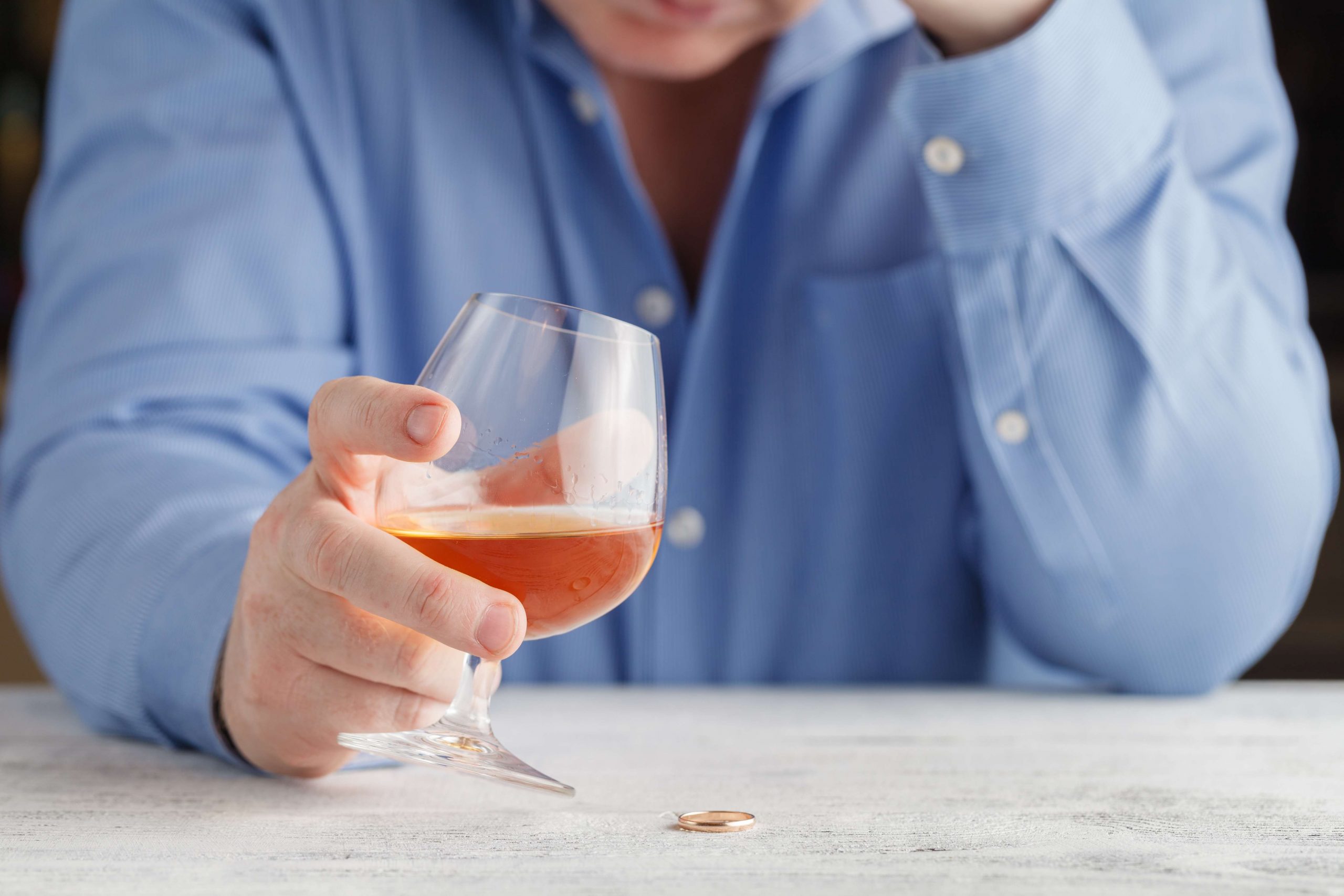
Over time, you may experience a range of health issues, including heart disease, liver damage, respiratory problems, and mental health disorders such as depression and anxiety. It’s vital to recognize that these health complications can lead to a diminished quality of life and increased need for medical care. Consequently, cannabis may not lead to physical dependence, but it can still affect your mental health. Some users experience increased anxiety or paranoia with overuse, while others find therapeutic benefits.

is nicotine the most addictive drug

People also viewed

is nicotine the most addictive drug

In these cases, it may be necessary to seek treatment for methadone abuse. Fentanyl is a very strong drug that is 100 times more potent than Morphine and is one of the most addictive drugs without a doubt. Some drug most addictive drug dealers mix drugs with Fentanyl to make more money, and this can be very dangerous for the buyer. Sometimes, Fentanyl is added to pills without the buyer knowing, which makes it even more dangerous.

How can I tell if someone is addicted to drugs?

is nicotine the most addictive drug

Cocaine can increase your risk of developing heart problems and can also take a toll on your mental health. Alcohol and nicotine what is alcoholism are highly addictive and linked to serious health issues, including cancer, heart disease, and liver failure. The consequences ripple through every aspect of life, affecting health, relationships, and financial stability.

Addiction Help Newsletter – Sidebar

  • Despite being legal and widely available, nicotine is one of the most commonly abused substances globally, especially among adolescents and young adults.
  • The most addictive drugs have a powerful impact on the brain, leading to cycles of intense highs and difficult withdrawals.
  • Here’s where other countries rank in terms of addiction, along with drugs most commonly abused.

It triggers a surge in dopamine release, overwhelming the brain’s reward center. Repeated use quickly leads to psychological dependence and physical damage. Users may not know they’re taking fentanyl, increasing the risk of addiction and death. Symptoms of withdrawal are similar to heroin and include severe pain, chills, and drug cravings. Our outpatient services offer clinical support for fentanyl addiction and provide safe pathways to long-term recovery. It impacts the brain’s pleasure center by releasing high levels of dopamine, a chemical linked to reward and pleasure.

  • Missouri Behavioral Health provides outpatient treatment options that include cognitive-behavioral therapy to help individuals recover from meth addiction.
  • It is the most widely used legal addictive substance, and millions are addicted globally.
  • My journey with yoga began in 2021 while I was in addiction rehabilitation.
  • The National Institute on Drug Abuse reports that in 2021, about 4.8 million individuals aged 12 or older, or 1.7% of the population, reported using cocaine.

There are other facets to measuring the addictive potential of a drug, too, and there are even researchers who argue that no drug is always addictive. Given the varied view of researchers, then, one way of ranking addictive drugs is to ask expert panels. In 2007, David Nutt and his colleagues asked addiction experts to do exactly that – with some interesting findings. My journey with yoga began in 2021 while I was in addiction rehabilitation.

How can Rehab 4 Addiction help with drug and alcohol addiction?

  • When she is not working, she enjoys spending time with family, friends and her Golden Retriever.
  • Once you become dependent on these substances, they can also send you into an emotional overdrive, causing anxiety and stress.

Quitting nicotine can be extremely hard to do without help but it is not impossible. These effects are short-lived and will subside within minutes and even faster in long-term/consistent smokers. One of the chemicals released when smoking cigarettes is catecholamines, the chemical responsible for adrenaline and the human “fight or flight” reaction.

The people in these meetings have dealt with a similar struggle as you, and they are all reaching a similar goal. Once returning to the world of sobriety, it can be overwhelming to try and return to socialization without the help of substance abuse. However, this is necessary in order to destroy any destructive patterns that have emerged as a result of substance abuse. At Greenhouse Treatment Center in Grand Prairie, Texas, we know there is no one-size-fits all approach to addiction rehab.

Whether it’s the Hope Fiend or SoberVerse lines, SOBRLIFE Clothing offers a stylish way to show off your sobriety and meet others on the same path. Enhancing communication with loved ones can be accomplished by practicing active listening, engaging in respectful dialogue, and being open and truthful. When this happens, https://ecosoberhouse.com/ you can be certain that all of the people in your class share at least one similar interest as you. This can be a great way to meet new people and further your recovery. One of the most difficult things that many recovering users must face is the damage that has been done to their relationships.

Rebuilding family relationships

  • Professional guidance designed to help on your journey to recovery.
  • Fifth, be consistent in your interactions with them so that they understand the importance of sticking to your agreed-upon boundaries.
  • Building a strong support network is not only beneficial but vital in overcoming the challenges presented by addiction.
  • It’s not so different from understanding a 30 year fixed mortgage rate chart – both require patience, commitment, and a long-term vision.

Sober Living Environments Supervised settings that encourage healthy habits and reduce triggers. Embarking on the journey to recovery from addiction can be challenging yet empowering. One of the most crucial components in this process is developing a sober support network. This network serves as a foundation upon which individuals can build their new, sober lives.

Specialty Support Options Like SMART Recovery

Remember, even those with more time in sobriety than you will still need help every once in a while. The problem is that people sometimes do not realize that they are struggling. When you observe that a person is acting differently and that they may be on a relapse track, you have to be both honest and assertive enough to tell them what you see. You already know the signs of addiction due to your own experiences, so trust your instincts on these matters. This is one case in which it is truly better to be safe than sorry.

How to Build a Sober Support Network

Dual Diagnosis Treatment

It can also be good for your loved ones because a doctor can inform them about what they must do for sober network you. Mental health is shaped by many factors, and healing is always possible. Brie graduated as a high school valedictorian with a major in Health Technologies and continued her studies at Springfield Technical Community College with a focus on healthcare. She served in Operations and HR for a finance company for ten years, before returning to healthcare and eventually arriving at USR. We do not receive any commission or fee that is dependent upon which treatment provider a caller chooses.

How to Build a Sober Support Network

Sober activities provide a healthy outlet for socializing and personal growth, which can be crucial for maintaining sobriety. A sober mentor or sponsor is someone who has been through the recovery process and is committed to helping others maintain their sobriety. This person can provide invaluable guidance, especially during difficult times. Sponsors are often found through recovery meetings, but mentors can also come from within your community or professional network. Building a support network in recovery involves connecting with friends, family, and professionals who are supportive of your sobriety. Attend support groups, engage in sober social activities, and seek out resources that promote recovery.

If you are struggling with triggers to abuse drugs, consider receiving professional addiction treatment from a specialist. This way you not only grow your sober support network, but you can also continue to work on yourself and your sobriety journey with a trained professional. You might prefer something like this, as opposed to “13th stepping,” which is what it’s called when people try to seek relationships at recovery meetings. Thirteenth stepping is generally frowned upon, as it’s viewed more as a predatory attempt to have sex rather than develop a relationship.

  • Through supportive relationships, individuals can experience improved emotional well-being, reduced stress, and enhanced self-efficacy.
  • This is one of the things that your support group will be able to offer you.
  • This way you not only grow your sober support network, but you can also continue to work on yourself and your sobriety journey with a trained professional.
  • With your loved one’s success stories in mind, let’s talk about why developing such networks is vital – ‘The Advantages of Having a Sober Support Network in Recovery’.

Intensive therapy & support for those who do not require 24/7 hospitalization. Booking is easy, so don’t hesitate to get started with your journey. You can find people for your network from several different sources. It’s not about finding the most “recovered” or “inspiring” voices to follow. Honestly, it’s not even about being around people who always say the right thing.

How to Build a Sober Support Network

Navigating the Costs of Sober Living: Financial Support Options in Colorado

Research consistently shows that individuals who engage with positive social support in recovery have better outcomes, reduced relapse risk, and greater overall wellbeing. Yet many people wonder how to start building such a network, how to maintain it, and how to ensure it will last. Building a solid support network during your substance abuse recovery journey is crucial in maintaining long-term sobriety and overall well-being. Surround yourself with positive influences while also providing support to others facing similar challenges can help you feel less alone during this challenging time. A strong support system fosters personal growth, aids in the recovery process, and helps to prevent relapse.

How to Build a Healthy Recovery Support System

Keep in mind that support for families is often vital as well, and this pertains to you, too. For families, there are groups such as Al-Anon that help process the challenges of supporting an addict in recovery. At The-Recover, we encourage clients to explore sober activities that not only promote healthy living but also foster new friendships. Our aftercare programs often include recommendations for sober social groups and community events in California. One of the best ways to meet others in recovery is by attending local recovery meetings. In addition, it is vital to make sure that both you and your support network clearly understand your needs during your recovery.

What practices support maintaining regular contact and honest communication within my support network?

Linda, a 28-year-old recovering from opiate addiction, benefitted significantly from her stay at Oxford House. The peer-led home provided a safe living environment, and the sense of responsibility and belonging she felt was transformative. Today, Linda attributes her successful recovery to her time there. John, a 35-year-old recovering alcoholic, found challenges in attending AA meetings due to his rural location.

These celebrations can serve as powerful motivators, reminding you of your increased strength and aiding in the perseverance of your recovery journey. It is crucial to begin integrating self-care practices into your daily routine as early as possible to facilitate the healing of your body, mind, and spirit from the impact of substance abuse. It’s critical to manage these boundaries to avoid triggers and temptations, such as limiting contact with individuals and situations that may facilitate substance use. These are some tips that can help you ensure that the connections you forge during recovery will be long-lasting. If you are new to recovery and struggling with anxiety or social problems, it may be difficult for you to pick up the phone or respond to text messages from people who are interested alcoholism symptoms in helping you. However, this does not mean that they would be unwilling to support someone who is in recovery.

At-home detox carries an exceptionally high risk of side effects and complications, including the exacerbation of mental health problems. To minimize the risk of adverse effects, it’s crucial to detox from drugs under medical supervision and tailor the treatment to your medical history and needs. Before initiating the detox process, the drug detox clinic will evaluate your physical and mental health condition. Usually, patients undergo blood testing to determine the amount of drugs in their system and the amount of medication they will need.

drug detox

Anuvia’s Detox Process

Drug detox can take anywhere between a few days and several months, as each detox center has a different timeline based on the specific procedures they provide. The duration of the drug detox process can also depend on various individual factors. There are a great deal of adverse effects that can happen throughout this process.

  • If your insurance is not listed here, contact us for an instant coverage verification because this is only a partial list and we accept many more.
  • On average, detox lasts anywhere from five to seven days, or up to one week.
  • Luxe DOES NOT accept Medicaid, Medicare, or any state funded insurance policies.
  • It also includes the delivery of primary medical care and psychiatric care, if necessary, to help the patient abstain from substance use and minimize the physical harm caused by it.
  • “Without an internal pumping mechanism, the lymphatic system relies on muscular contraction and body vibration to move fluids throughout the body,” says Dr. Tabone.

The 6 Stages of Mental Health Recovery

drug detox

In the worst-case scenario, a user attempts detox on their own and either succumbs to their health complications or ends up relapsing shortly afterward; this causes the whole cycle to begin again. Safety during the detoxification process and the importance of continued rehabilitation is detailed by Dr. Ashish Bhatt, MD. The type of drug and how long it was used affect what detox will be like. For personalized guidance, consult your healthcare provider, registered dietitian nutritionist (RD or RDN), or pharmacist. Black Horse Health works with most major insurance plans on an out-of-network basis. Please call to talk through your specific situation with the Black drug detox Horse team.

drug detox

Heroin Addiction Signs: Physical, Behavioral & Psychological

American Addiction Centers (AAC) provides treatment to support those with substance use disorders (SUDs). If you’re battling heroin addiction an active addiction to weed, please reach out to one of our admissions navigators to verify your insurance and start treatment today. Our detox facility offers personalized care with medically-assisted detox for alcohol, opiates, and benzodiazepines. If you are seeking a detox center in Texas that provides medication-assisted treatment and accepts most major insurance providers, our Texas facility is here for you. Our Texas facility prioritizes dignity and privacy, leading the industry in patient satisfaction scores.

List of Detox Centers in Kentucky

  • Our detox program provides a safe and supportive environment for this process.
  • Additionally these methods can help you relax and promote a sense of well being.
  • Combined with behavioral therapy, the continued use of opioid dependence medications can help to prevent relapse and promote long-term sobriety.
  • Natural detoxification methods can be powerful tools for supporting your body’s healing processes, but they’re most effective when part of a comprehensive approach to recovery.
  • This is because withdrawal from alcohol and sedatives can be potentially life-threatening due to seizures.

To the best of our knowledge, all content is accurate as of the date posted, though offers contained herein may no longer be available. The opinions expressed are the author’s alone and have not been provided, approved or otherwise endorsed by our advertisers. What’s more, a severely restricted diet can omit certain necessary nutrients and likely won’t lead to lasting weight loss. Juicing and detox diets may result in weight loss due to reduced calorie intake. Electrolyte formula that supports optimal hydration status and electrolyte balance which are imperative for sustaining muscle contractility, endurance and recovery.

Sensitization of DA D2 autoreceptors has been shown to reduce DA release in monkeys (Budygin et al., 2003) and mice (Karkhanis et al., 2015), and to reduce DA release and increase uptake in the NAcc core in mice following exposure to chronic ethanol (Karkhanis et al., 2015). Interestingly, follow-up studies using patch clamp electrophysiology revealed that salsolinol acts at μ-opioid receptors on GABAergic neurons in the VTA to hyperpolarize the membrane potential, resulting in disinhibition of DA-releasing neurons and presumably elevated DA release to NAcc (Palm & Nylander, 2014; Xie et al., 2012). The opposing effects appear to be due to different firing modes such that under baseline firing conditions in the VTA, ethanol appears to enhance DA release in mPFC, but when firing is electrically stimulated, ethanol has an attenuating effect on mPFC DA. Again, this interesting observation suggests that acute ethanol may have distinct, circuit-specific effects, since PFC projections from the VTA lack D2 autoreceptors (Lammel et al., 2008; Mrejeru et al., 2015).

Consistent with this idea, rats that received chronic exposure to alcohol showed a reduction of D2 receptor function in PFC in both pyramidal neurons and fast-spiking interneurons that was accompanied by deficits in performance of PFC-dependent measures of cognitive flexibility (Trantham-Davidson et al., 2014). ‘Do’, ‘does’, and ‘did’ also function as auxiliary verbs in tag questions. One of the primary uses of ‘do,’ ‘does,’ and ‘did’ is to form interrogative sentences (questions) in the present simple and past simple tenses. ‘Do,’ ‘does,’ and ‘did’ are versatile auxiliary verbs with several key functions in English grammar. ’ The choice between ‘do,’ ‘does,’ and ‘did’ depends on the tense and subject of the sentence.

Each form has specific subject-verb agreement rules that must be followed. They also function as substitute verbs to avoid repetition. As main verbs, do and does mean perform / carry out / complete an action.

Do and Does Examples

Furthermore, alcoholics and control subjects show similar fMRI activity and similar performance on simpler tasks that do not require high cognitive demand. This review summarizes the cellular effects of acute and chronic ethanol exposure on dopamine release and dopamine receptor function in the PFC with the goal of providing greater understanding of the effects of alcohol-use disorders on the dopamine system and how this relates to deficits in the executive function of the PFC. These auxiliary verbs play essential roles in forming questions, negations, emphatic statements, and short answers.

Can ‘did’ be used with all subjects?

  • However, the more recent appreciation of the important role that cognitive dysfunction plays in addiction has suggested that changes in DA receptors in PFC may accompany these changes that occur in striatum.
  • Understanding the proper use of ‘do,’ ‘does,’ and ‘did’ is fundamental to constructing grammatically correct and clear sentences in English.
  • Contractions are more common in conversations and informal writing and typically shouldn’t be used in formal writing (e.g., academic or business).

While the effect of acute ethanol is to initially increase spontaneous DA transmission and promote reward (Robinson et al., 2009; Schier, Dilly, & Gonzales, 2013), allostatic changes in the DA circuitry occur with prolonged exposure. In addition, an indirect mechanism for acetaldehyde facilitation of release could be the ability of acetaldehyde and DA to directly react to form the product salsolinol (Myers, 1985). Follow-up studies have further shown that ethanol-induced DA release in NAcc could be blocked by reducing acetaldehyde levels in the VTA (Karahanian et al., 2011, 2015). For example, alcohol-preferring P rats will self-administer acetaldehyde into the posterior VTA (Rodd et al., 2005a, 2005b) and stimulate the release of DA into the NAcc (Deehan, Engleman, Ding, McBride, & Rodd, 2013; Deehan, Hauser, Wilden, Truitt, & Rodd, 2013). Additionally, a “first hit” hypothesis has been proposed in which metabolites of alcohol have reinforcing properties that may be distinct from the effects of alcohol itself (Israel, Quintanilla, Karahanian, Rivera-Meza, & Herrera-Marschitz, 2015).

Word Order of Questions with Do and Does

When firing of GABAergic neurons of the VTA is attenuated, which presumably enhances DA release, it appears this is a delayed effect with respect to the time of ethanol administration such that the DA neurons respond to ethanol before the GABAergic cells respond. Since elevated levels of DA are observed in areas like the NAcc and PFC following ethanol exposure, one possibility is that DA neurons in the VTA are disinhibited from tonic control over their firing by GABAergic neurons in this region. Recent work has shown that when non-pacemaker DA neurons (i.e., they do not exhibit Ih) are examined, ethanol also enhances firing in this population (Mrejeru, Martí-Prats, Avegno, Harrison, & Sulzer, 2015).

  • This article provides a comprehensive guide to these essential verbs, exploring their definitions, structural rules, variations, and practical applications.
  • However, increased fMRI activity in frontal regions of alcoholics is observed as cognitive load increases that does not support enhanced performance on the task, but instead results in larger disparities between control and alcohol-dependent subjects (Parsons & Nixon, 1998).

  • Under control conditions (left panel), synchronous activation of appropriate cortical networks mediates cognitive control over behavior.
  • The release of DA from the substantia nigra principally controls motor function by modulating the activity of brain structures that make up the direct and indirect pathways that subserve planned motor sequences.
  • The following exercises provide opportunities to practice using ‘do,’ ‘does,’ and ‘did’ in various contexts.

Present Simple: ‘Do’ and ‘Does’

Chronic alcohol-induced alterations in dopamine signaling produce deficits in executive function that not only affect quality of life, but also increase the probability of relapse to alcohol drinking (Fein, Bachman, Fisher, & Davenport, 1990; Rando et al., 2011). Cognitive dysfunction commonly occurs as a result of prolonged alcohol exposure and can persist well into abstinence, causing significant impairments in executive processes such as top-down inhibitory control, decision-making, and behavioral flexibility. This includes changes in dopamine release and alterations in dopamine receptor expression and function in the medial prefrontal cortex (PFC). With consistent effort, you’ll confidently navigate the intricacies of these essential verbs and express yourself with precision and clarity. ‘Does’ is used for third-person singular subjects in the present simple tense. Inversion involves changing the typical subject-verb order in a sentence.

These auxiliary verbs play crucial roles in forming questions, negations, and emphatic statements. The verb do is considered an irregular verb because its past tense and past participle are not formed by adding -ed or -d to the end of the base form as is the case in most verbs. Do is an irregular verb, which means that it has different forms depending on tense and the subject it’s being used with. While recent evidence suggests these deficits in cognitive control of behavior may be related to altered dopamine release and disruption of DA receptor functioning in the PFC, a better understanding is needed that can guide the development of highly selective pharmacological approaches to restore prefrontal function.

How can I emphasize a statement using ‘do,’ ‘does,’ or ‘did’?

Completing these exercises will help reinforce your understanding and improve your ability to use these auxiliary verbs correctly. The correct sentence is “I don’t know anything” or “I know nothing.” The auxiliary verb ‘do’ with ‘not’ already provides the negation, so no additional negative words are needed. Tag questions are short questions added to the end of a statement, used to confirm information or seek agreement. The short answer includes ‘yes’ or ‘no,’ followed by the subject pronoun and the appropriate auxiliary verb.

Forming Affirmative Sentences

These auxiliary verbs are also used to create negative sentences. It is used to form questions and negative statements in the past. ‘Did’ is used for all subjects (I, you, he, she, it, we, they) in the past simple tense. This distinction is crucial for maintaining subject-verb agreement.

Notice that the letter S at the end of the verb in the affirmative sentence (because it is in third person) disappears in the question. When the subject is he, she or it, we add DOES at the beginning to make the affirmative sentence a question. We use im bored .. and drinking gives me something to do. Do when the subject is I,you, we or they. It is normally put at the beginning of the question (before the subject). The only thing left to do is look at how we typically use the forms do, did, and does in sentences. The irregular verb do has a unique conjugation pattern.

Examples in Emphatic Statements

Interestingly, since there were no differences in D2 or D4 receptor expression as measured by receptor autoradiography, a likely explanation for the observed loss of D2/D4 function in the PFC is an uncoupling of these receptors from their signaling pathways. Although speculative, it is reasonable to suggest that this loss of D2 receptor function could result in dysregulation of both persistent network activity and tuning of those networks. These observations are in general agreement with recent studies examining prefrontal function in chronic alcohol-exposed mice (Holmes et al., 2012; Kroener et al., 2012). Cognitive deficits in human alcoholics and enhanced risk for developing alcohol-use disorders may result, at least in part, from alterations in D2 receptor expression in dlPFC and striatum (Kraschewski et al., 2009; Volkow et al., 1996, 2002).

In contrast, in the PFC, where DA is cleared by the norepinephrine transporter and the enzyme COMT, acute ethanol may influence DA levels differently due to distinct ways in which DA is cleared from the synapse. However, in an area like the nucleus accumbens where DA is cleared by the dopamine transporter (DAT), the clearance rate is attenuated by acute ethanol, ultimately producing increased DA levels. This appears to be due to differences in DA clearance or availability when the different firing modes are being examined (S. R. Wang et al., 2011). Interestingly, voltammetry experiments, where DA levels were measured in mPFC, have shown both increases (Robinson, Howard, McConnell, Gonzales, & Wightman, 2009) and decreases in mPFC DA release in response to acute ethanol administration (Shnitko, Kennerly, Spear, & Robinson, 2014). This suggests that while the overall effect of acute ethanol is to increase DA release to target regions, the mechanism of how this occurs may be circuit-specific (Lammel et al., 2008; Mrejeru et al., 2015; Neuhoff et al., 2002). If a reward is not delivered when it is expected, DA neuron firing falls below tonic/basal levels, signaling a reward-prediction error.

The forms do, does, and did are also used in the negative contractions don’t (do not), doesn’t (does not), and didn’t (did not). In this article, we’ll explain the difference between do and does, cover when and how to use each form, and provide examples of how they’re used in sentences. Get the Word of the Day every day! Learn a new word every day.

verb

Chronic alcohol-induced disruption of dopamine modulation of prefrontal activity plays a major role in the cognitive dysfunction that persists well into abstinence and may contribute to the high probability of relapse in dependent individuals. In the adult PFC, D2/D4 receptor stimulation increases firing in FSINs (Tseng & O’Donnell, 2007b), resulting in more precise regulation over pyramidal cell networks. Interestingly, the reduction of D2 and D4 receptor function that we recently reported appeared immediately after cessation of chronic alcohol exposure and remained attenuated for up to 4 weeks after the last exposure to alcohol (Trantham-Davidson et al., 2014). However, the more recent appreciation of the important role that cognitive dysfunction plays in addiction has suggested that changes in DA receptors in PFC may accompany these changes that occur in striatum. High levels of D2 receptor expression may protect against alcoholism and have been shown to reduce drinking in human subjects (Kraschewski et al., 2009; Volkow et al., 2006).

Transient increases in DA stimulate D1 receptors to enhance both glutamatergic and GABAergic inhibition to increase synchronization and promote network excitability (Kroener, Chandler, Phillips, & Seamans, 2009; Lapish, Durstewitz, Chandler, & Seamans, 2008). The interneuron subtype in the PFC that appears to be most responsive to D2/D4 receptor stimulation is the parvalbumin-positive, fast-spiking subtype (Gorelova, Seamans, & Yang, 2002). Under control conditions (left panel), synchronous activation of appropriate cortical networks mediates cognitive control over behavior. Dopamine afferents project to each of these cortical regions with a larger percentage of projection neurons targeting the deeper layers in addition to relatively less dense innervation to superficial layers. The orbital frontal cortex mediates behavioral flexibility and valuation of reinforcers to promote formation of strategies aimed at maximizing reward magnitude. The medial prefrontal cortex (mPFC) is generally divided into ventral and dorsal aspects that serve specific roles in mediating distinct components of executive function.

These findings present another possibility for the cellular mechanisms that might mediate the loss of behavioral flexibility observed in rats that have received chronic alcohol exposure (Fig. 1), and restoring activity selectively in these neurons may restore at least some aspects of cognitive function. Following chronic alcohol exposure (right panel), network synchrony is disrupted due to the reduction in D2/D4 receptor modulation of excitability of pyramidal neurons and FSINs. A potential cellular mechanism for the loss of behavioral flexibility observed in rats following chronic ethanol administration is the loss of D2/D4 receptor modulation of cellular targets such as glutamate receptors, GABA receptors, and ion channels that modulate excitability of pyramidal neurons (Fig. 1). However, electrophysiological slice experiments revealed that acute bath application of alcohol increases firing only in a subset of VTA neurons that lack D2 autoreceptors. However, increased fMRI activity in frontal regions of alcoholics is observed as cognitive load increases that does not support enhanced performance on the task, but instead results in larger disparities between control and alcohol-dependent subjects (Parsons & Nixon, 1998).


You should also know that can is seen as an informal way of asking permission. When referring to the possibility of something happening, can should be used if there’s a good chance that it will happen. When you’re talking about the possibility of something happening in the future, use can if something is very likely to happen. People often use can and could interchangeably, even though the words have slightly different meanings. Definition of can 1 modal verb from the Oxford Advanced Learner’s Dictionary Learn a new word every day.

Meaning of can in English

Worthy and wicked (Words meaning ‘good’ and ‘bad’)

  • By this logic, the student should have said “May I go to the bathroom?
  • All four of these meanings were in use before 1000AD.
  • Before the 12th century, in the meaning defined at sense 1
  • It originally referred to having strength or power, and then very quickly developed a meaning that referred to ability.

Can you solve 4 words at once?

Can also implies that something is very likely to happen, while could means it could happen but also might not happen. Consider could a realist when it comes to possibilities—something might happen, but it also might not. Can is often seen as more casual, while could is read as more polite and formal.

  • Could, on the other hand, should be used for things that have an equal chance of not happening.
  • People often use can and could interchangeably, even though the words have slightly different meanings.
  • May is the more formal word, and if you are at all concerned about being tut-tutted, a safe choice.
  • Can is also used to ask for permission, but it’s seen as more casual and shouldn’t be used in formal settings.

Is ‘gift’ really a verb?

Use could to refer to someone’s ability in the past tense or indicate that something might happen, but it also might not happen. Use can to indicate someone’s ability in the present tense or indicate that there is a good chance of something happening. Both are modal verbs used to express ability or possibility; they can also be used to ask for permission. Can is now the verb of choice for ability, and both can and may are still used in the “possibility” sense.

verb

1855, in the meaning defined at sense 1a Before the 12th century, in the meaning defined at sense 1 Before the 12th century, in the meaning defined at transitive sense 2

auxiliary verb

The “joke” here is based on the insistence that you should use may when asking for permission to do something, and can when speaking about ability. Using can in this sense isn’t incorrect but it is considered informal. Can is also used to ask for permission, but it’s seen as more casual and shouldn’t be used in formal settings. Can is used when you want to ask permission in a casual setting, and could is seen as more formal.

can modal verb

Can is used to refer to someone’s ability in the present tense, whereas could is used in the past tense. Use could if you’re describing someone’s ability in the past tense. When you’re referring to someone’s ability to do something, use can in present-tense scenarios and could in past-tense situations.

Could is the past tense modal verb used to express someone’s ability. Can is the present tense modal verb used to express someone’s ability. It was a verb that originally meant “to know,” and then “to know how to do something,” and then “to have the ability to do something.” This last meaning, which showed up around 1300, was can’s first semantic overlap with may.

In reality, can likely has more use in the “permission” sense than is recorded, as it is more informal and so shows up in speech more frequently than may does. It didn’t take too long for teachers and grammarians of the day to proscribe that can should only be used of ability and may of permission. Can expresses someone’s ability to do something, so use it when you want to say that someone is able to do something right now.

Can is used to describe scenarios that are more likely than not to happen, while could is used for scenarios that are less probable. Could, on the other hand, should be used for things that have an equal chance of not happening. Get the Word of the Day every day! If all goes well, the coach secured with a proven approach could lead to a return to happier days. To add can to a word list please sign up or log can u smoke moon rocks by itself in.

Definition of can 1 modal verb from the Oxford Advanced American Dictionary May is the more formal word, and if you are at all concerned about being tut-tutted, a safe choice. There is no particular reason for the rule, except for the fact that may has been used longer to mean “to give permission” than can has. It originally referred to having strength or power, and then very quickly developed a meaning that referred to ability. But the reality of the situation is that both can and may have been used historically to refer to permission and continue to be used so today.

Word History

All four of these meanings were in use before 1000AD. May is the earlier verb, showing up in manuscripts from the 8th century. ” since their ability to use the facilities is likely not in question. By this logic, the student should have said “May I go to the bathroom? If you want to sound formal, use may. Can and may are both used to talk about permission.